
Recent
Recent
(Photo credit: CoolLED)
Photo 61112494 © Boaz Yunior Wibowo | Dreamstime.com

Top Stories
Top Stories
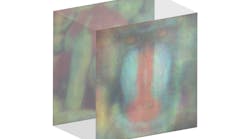
(Image credit: Ryoichi Horisaki/The University of Tokyo)
Recommended
Recommended
Read This Next
Read This Next
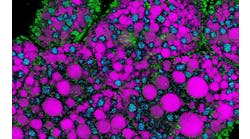
(Image credit: Lingyan Shi/UC San Diego Bioengineering)
(Photo credit: Besim Mazhiqi, PHoQS, Paderborn University)
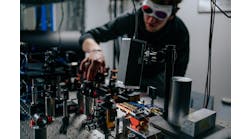
(Courtesy of Albrecht Stroh, University Medical Center Mainz and Leibniz Institute for Resilience Research)

Learning Resources
Learning Resources
Courtesy of Shanghai Optics Inc
Courtesy of Avantier Inc
Courtesy of Avantier Inc
Courtesy of Shanghai Optics Inc
(Image credit: Zhaoyang Li)
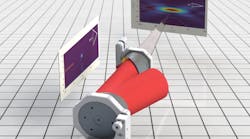
(Image credit: Stefano Bonetti)
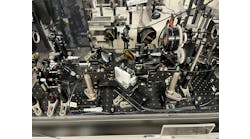
(Photo credit: Lunghammer/NAWI Graz)
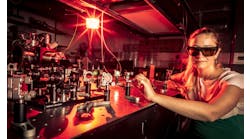
(Image credit: Harvard SEAS)
(Image credit: Jerzy Szuniewicz)
(Image credit: Endeavor Business Media)
(Image credit: Palashuddin Sk)
(Image credit: Meltio)
Photo 315091204 © Justlight | Dreamstime.com

Photo 112222851 © Oleg Dudko | Dreamstime.com

(Photo credit: QinetiQ)
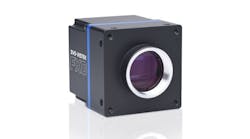
(Image credit: SVS-Vistek)
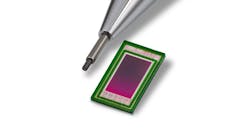
(Image credit: Duke University)
(Image credit: VueReal)
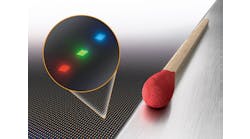
(Image credit: Endeavor Business Media)
Photo 44583531 © Leung Cho Pan | Dreamstime.com
Photo 305702414 © Zolak Zolak | Dreamstime.com

(Photo credit: ZEISS)
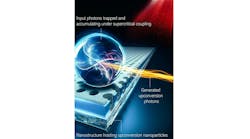
(Image credit: Jiaye Chen)
(Photo credit: Quantum Corridor)

© Fraunhofer ILT, Aachen, Germany/Andreas Steindl

(Image credit: TRUMPF Scientific Lasers)

Photo 301002215 © Artitwpd | Dreamstime.com

Photo 29475566 © Jarek2313 | Dreamstime.com

Photo 131219064 © Photoking | Dreamstime.com

Photo 174814076 © Artur Szczybylo | Dreamstime.com

Photo 11144854 © Mark Herreid | Dreamstime.com
(Image credit: Endeavor Business Media)
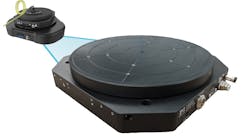
(Image credit: PI)
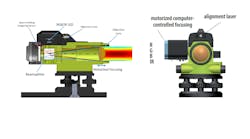
(Image credit: Duma Optronics)
Featured Media
Featured Media

Home
Photonics Hot List: April 26, 2024
April 26, 2024
Home
Photonics Hot List: April 19, 2024
April 19, 2024

Leadership in Lasers and Photonics
Welcome to Laser Focus World's Leadership in Lasers and Photonics program.